The National Academies of Sciences, Engineering, and Medicine, in its Framework for Equitable Allocation of COVID-19 Vaccine, suggests using an index such as the Social Vulnerability Index (SVI) to prioritize individuals living in locations identified as vulnerable in order to incorporate variables that are most linked to the disproportionate impact of COVID-19 on people of… Read more »
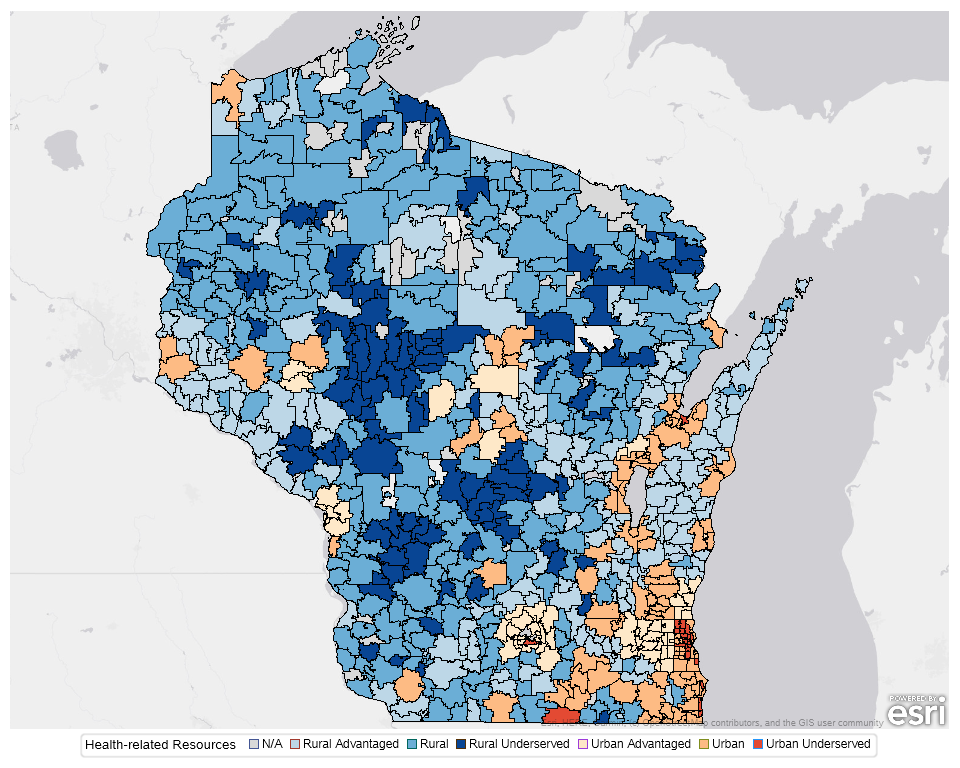
Where people live, and the health-related characteristics of their communities, has a significant impact on the health and health outcomes of residents. Differences in health care quality and outcomes for rural and urban populations has been a focus of national priority and attention. Researchers at UW-Madison distinguished the unique health-related characteristics of rural and urban… Read more »
The Wisconsin Collaborative for Healthcare Quality (WCHQ), in collaboration with Health Innovation Program, developed the Wisconsin Health Disparities: Rural and Urban Populations Report to help inform and accelerate programs that are working to eliminate disparities. The 2020 report identifies where disparities in health outcomes and care exist in rural and urban areas in Wisconsin by… Read more »
The treatment paradigm for low-risk thyroid cancer increased in complexity following release of the 2015 American Thyroid Association Guidelines for Adults with Differentiated Thyroid Cancer. Although the intention of the guidelines were to “complement informed, shared patient-healthcare provider deliberation” when making treatment decisions, patient-clinician deliberation can fail to meet patients’ needs and may exclude available… Read more »
High costs of hospitalization may contribute to financial difficulties for some families. The objective of this study from HIP Investigator Dr. Ryan Coller was to examine the prevalence of financial distress and medical financial burden in families of hospitalized children and identify factors that can predict financial difficulties. A cross-sectional survey of parents of hospitalized… Read more »
Patient throughput and emergency department (ED) length of stay (LOS) are recognized as important metrics in the delivery of efficient care in emergency medicine. However, academic centers must balance expeditious care delivery with the educational mission of training the next generation of emergency physicians. In this article, HIP Investigator, Dr. Brian Patterson et al. sought… Read more »
Rates of mental health and substance use disorders (MHSUDs) in the adult Medicaid population are higher than for adults with Medicare or private health insurance. In this publication, HIP Investigator, Dr. Marguerite Burns et al. estimates the association between the implementation of parity in coverage for mental health and substance use disorder (MHSUD) services within… Read more »
Health Innovation Program partnered with the Wisconsin Collaborative for Healthcare Quality (WCHQ), the University of Wisconsin Institute for Clinical and Translational Research (ICTR), and the ICTR Neighborhood Health Partnerships Program to feature three posters at the Wisconsin Public Health Association Virtual Public Health Conference. Check out more information about each poster below: Disparities in health… Read more »
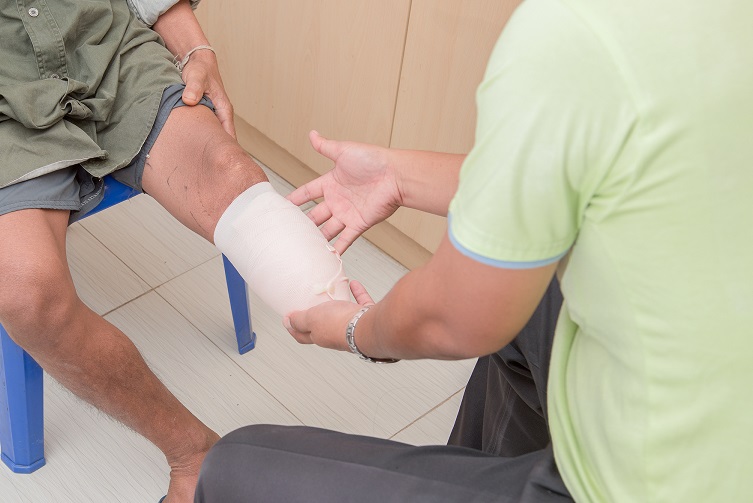
Over 30 million people in the United States have diabetes, and up to 25% of them will develop a diabetic foot ulcer (DFU). Specific to DFUs, rural patients face 50% higher odds of major (above-ankle) amputation and 40% higher odds of death compared to their urban counterparts. A group of authors including HIP Investigators, Dr.… Read more »
HIP Investigator, Dr. Elizabeth Cox in collaboration with the Wisconsin Collaborative for Healthcare Quality (WCHQ), Dr. Melissa Gilkey (University of North Carolina), and members of the PROKids team received a Carbone Cancer Center Rural Cancer Pilot Award. The project, “On-Time HPV Vaccination for Rural Wisconsin Youth” will help inform interventions at the healthcare system-level that focus… Read more »








Recent Comments