Engaging patients in the planning, implementation and dissemination of research can increase the credibility and relevance of results and lead to higher quality, more patient-centered care. Veterans have unique experiences and healthcare needs, making their input on research related to their care particularly important. However, existing veteran engagement resources primarily focus on veterans who receive… Read more »
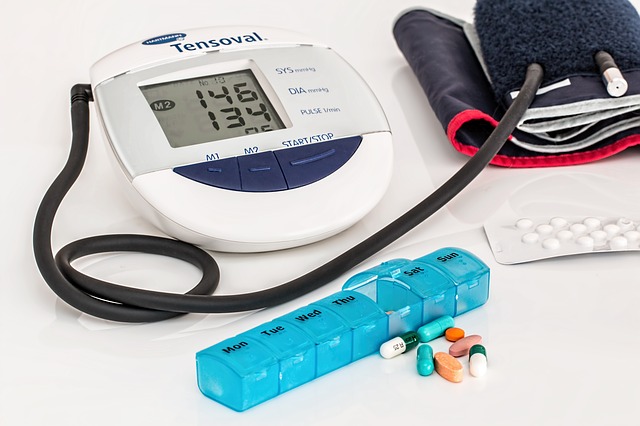
In this study co-authored by Drs. Heather Johnson and Maureen Smith, investigators used EHR and Chronic Conditions Warehouse Medicare data to determine rates & predictors of achieving hypertension control among patients with diabetes and hypertension after they were discharged from the hospital for an initial cardiac event. They found that Medicare patients with diabetes were… Read more »
Despite the many uncertainties in the current health care delivery environment, payers and providers continue to demonstrate considerable interest in alternative payment models, including Medicare Shared Savings Program (MSSP) accountable care organizations (ACOs). HIP Investigator, Dr. Maureen Smith et al. believe that there is an alternative explanation for hospital-based ACOs’ seemingly poorer financial performance. Specifically,… Read more »
Dr. Maureen Smith recently spoke with the Patient-Centered Outcomes Research Institute (PCORI) about a current project that she is conducting with Dr. Menggang Yu and other researchers at locations across the country to characterize & evaluate the outcomes of case management programs. The project uses the PCORnet infrastucture, and its aims include characterizing case management… Read more »
Dr. Brian Patterson et al. used electronic health record data to evaluate whether routinely collected Hendrich II fall scores can predict returns to the emergency department (ED) for falls within 6 months. The investigators found that using the score alone, the odds of returning to the ED for a fall in 6 months were 1.23 times… Read more »
In a retrospective cohort study, Dr. Jennifer Weiss et al. examined 90 primary care providers (PCPs) and over 33,000 patients eligible for colorectal cancer (CRC) screening to determine whether PCP colorectal cancer screening practices correlate with other preventive and chronic care needs. The investigators looked at CRC screening rates in comparison to five other PCP… Read more »
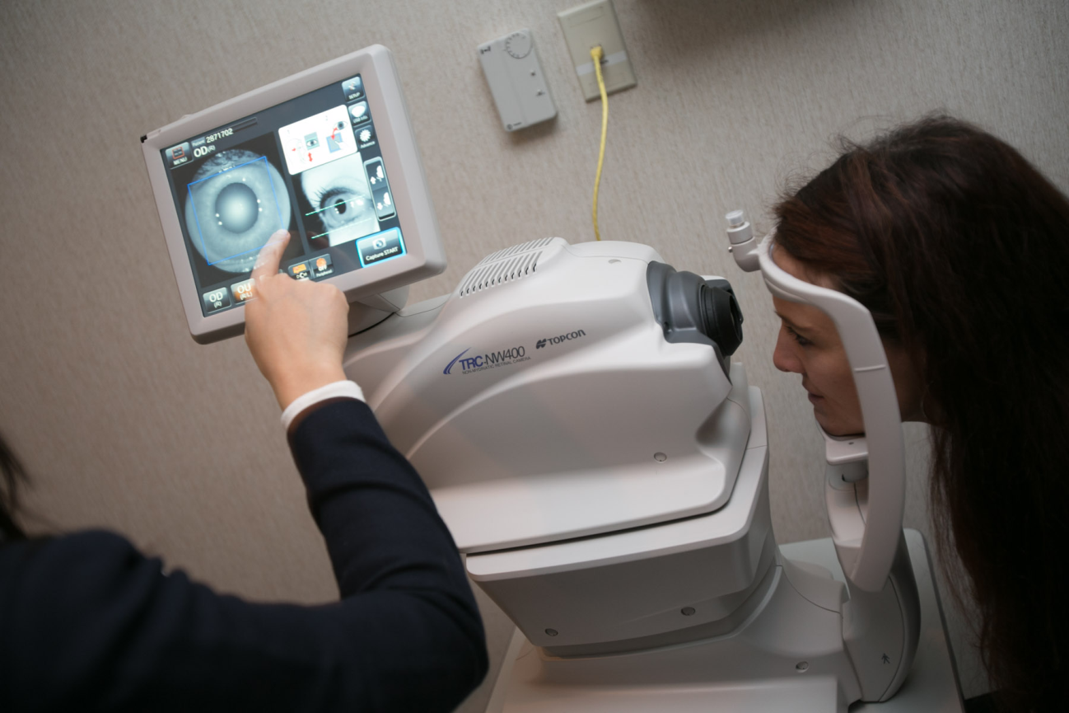
Overview To prevent blindness, we have sustained an increase in diabetic eye screening by 36% at Mile Bluff Medical Center, a rural clinic in Mauston, Wisconsin, using our teleophthalmology implementation program (I-SITE: Implementation to Sustain Impact in Teleophthalmology). The program was expanded to UW Health primary care clinics in Madison, WI, Fort HealthCare in Fort… Read more »
Eva DuGoff and co-authors investigated the agreement of primary care providers (PCPs) identified by claims algorithms and in EHR data. This study looked at Medicare fee-for-service beneficiaries with diabetes age 65+ and found agreement was higher for algorithms based on primary care visits. The algorithms perform less well among vulnerable populations and those experiencing fragmented… Read more »
Patients with diabetes have a well-established elevated risk of cardiovascular disease. Statins reduce morbidity and mortality among patients with diabetes, but their use remains suboptimal. In this study, HIP Investigator Dr. Meghan Brennan et al. sought to understand trends in statin use to inform strategies for improvement. They found that Statin use is slowly increasing… Read more »
Using HIP Chronic Conditions Warehouse data, authors looked at readmissions among vascular surgery patients discharged to skilled nursing facilities (SNFs). They found 36% were readmitted or had died at 30 days. Predictors of readmission or death at 30 days included SNF for-profit status, number of hospitalizations in the previous year, comorbidities, emergency procedures, and complications.









Recent Comments