Fecal incontinence negatively affects quality of life and mental health and is associated with increased risk of nursing home placement. Nine percent of adult women experience episodes of fecal incontinence at least monthly. Even among women with both urinary and fecal incontinence presenting for urogynecologic care, the rate of verbal disclosure of fecal incontinence symptoms… Read more »
Antibiotics are among the most commonly prescribed medications in nursing homes (NHs), being prescribed to two‐thirds of residents annually. Although often beneficial, their overuse is associated with avoidable adverse effects. This article by HIP Investigator, Dr. Edmond Ramly et al. seeks to characterize the workflows performed in NHs before a prescriberʼs decision to prescribe antibiotics.… Read more »
The National Comprehensive Cancer Network (NCCN) Guidelines for Colorectal Cancer (CRC) Screening describe various colorectal screening modalities as well as recommended screening schedules for patients at average or increased risk of developing sporadic CRC. HIP Investigator Dr. Jennifer Weiss is a co-author of these guidelines. They are intended to aid physicians with clinical decision-making regarding… Read more »
Many older adults (65+) present to the Emergency Department (ED) with chest pain, but do not have otherwise clear clinical indication of whether they should be admitted or discharged. This uncertainty leads to decisions that are highly variable-in addition to already being costly-which could have adverse consequences, since older adults are particularly vulnerable from hospitalization.… Read more »
The US Health and Human Services Office of the Inspector General report on nursing homes found that skilled nursing facilities (SNFs) exhibit wide differences in overall hospital readmission rates. Because evidence has been found that hospital readmission rates can be lowered by discharging to specific SNFs, policy makers have started using hospital readmission rates by… Read more »
The objective of this study from HIP Investigator Dr. Heidi Brown was to determine the rates of and factors associated with preoperative counseling about menopausal symptoms and use of hormone therapy postoperatively in surgically menopausal women. This retrospective chart review included patients who underwent bilateral oophorectomies before age 52 at an academic institution during a… Read more »
Health Innovation Program partnered with the Wisconsin Collaborative for Healthcare Quality (WCHQ), the University of Wisconsin Institute for Clinical and Translational Research (ICTR), and the ICTR Neighborhood Health Partnerships Program to feature three posters at the Wisconsin Public Health Association Virtual Public Health Conference. Check out more information about each poster below: Disparities in health… Read more »
More than 60% of women older than 65 years in the United States have urinary or bowel incontinence. Despite the existence of effective, minimally invasive therapies, more than half of women with urinary incontinence and two-thirds of women with bowel incontinence do not seek medical care. In this study, HIP Investigator Dr. Heidi Brown et… Read more »
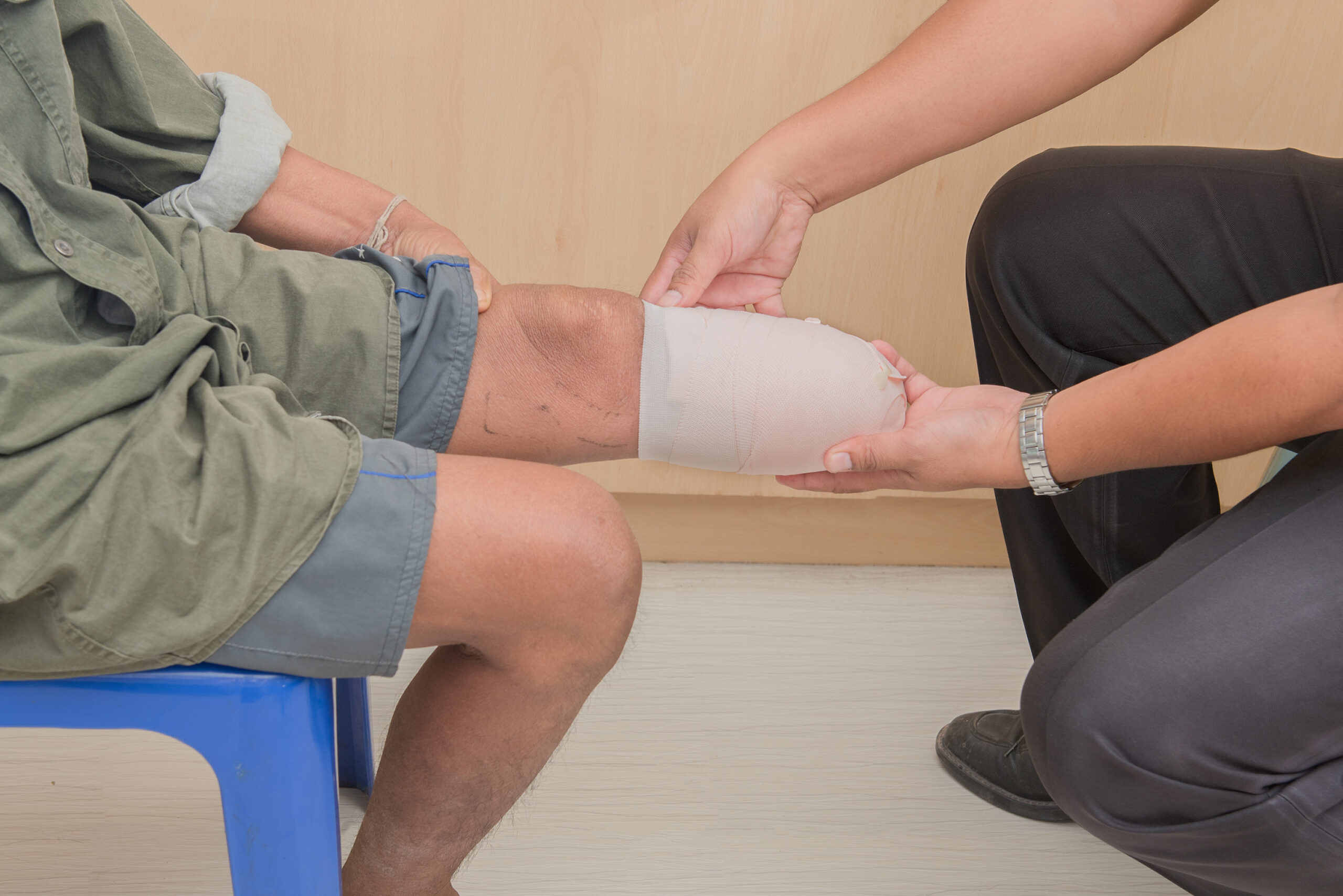
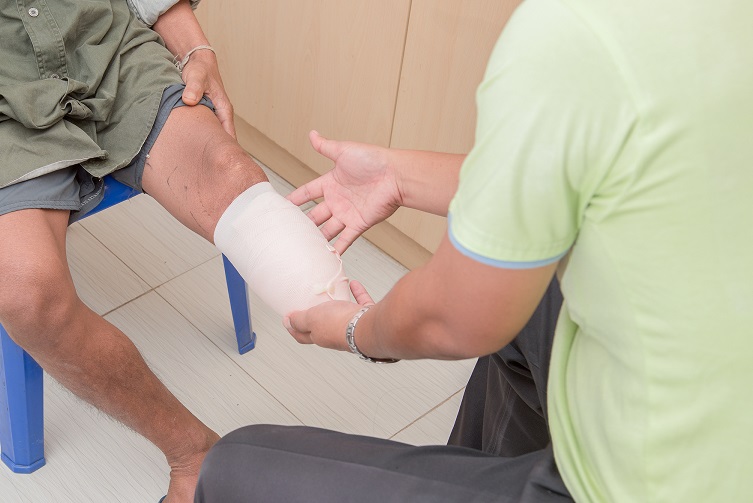
Overview Approximately 2 million Americans develop a diabetic foot ulcer each year. Within 5 years of ulceration, over 50% die and 5% lose a limb. Diabetic foot ulcers cost the U.S. healthcare system $130 billion annually, require significant patient self-management in terms of daily wound care and ambulation restrictions, and can result in devastating function… Read more »
Over 30 million people in the United States have diabetes, and up to 25% of them will develop a diabetic foot ulcer (DFU). Specific to DFUs, rural patients face 50% higher odds of major (above-ankle) amputation and 40% higher odds of death compared to their urban counterparts. A group of authors including HIP Investigators, Dr.… Read more »









Recent Comments