Pelvic floor muscle exercises are a mainstay in the treatment of pelvic floor disorders such as urinary incontinence, overactive bladder, pelvic organ prolapse, and fecal incontinence. Women are more likely to report improvement in incontinence symptoms when they participate in directly supervised pelvic floor physical therapy (PFPT) as opposed to performing recommended exercises without supervision.… Read more »
With the onset of COVID-19, the Health Innovation Program (HIP) determined they could use the reporting infrastructure they have been developing over the last several years, in partnership with Wisconsin Collaborative for Healthcare Quality (WCHQ), to rapidly produce reports with reliable and accurate data for health systems who are WCHQ members. These reports can help… Read more »
With the COVID-19 pandemic, UW-Madison researchers within the School of Medicine and Public Health are quickly adapting to support Wisconsin health officials. Researchers at the Health Innovation Program (HIP), who have been working to improve health care using electronic health record data voluntarily provided by over 20 Wisconsin health systems through the Wisconsin Collaborative for… Read more »
Because of the COVID-19 pandemic, critically ill patients have been hospitalized and isolated from their families and loved ones. In many hospitals, the palliative care team has been charged with maintaining communication between the critical care team and their patients’ families. Dr. Gretchen Schwarze and her team along with Dr. Toby Campbell created the Best… Read more »
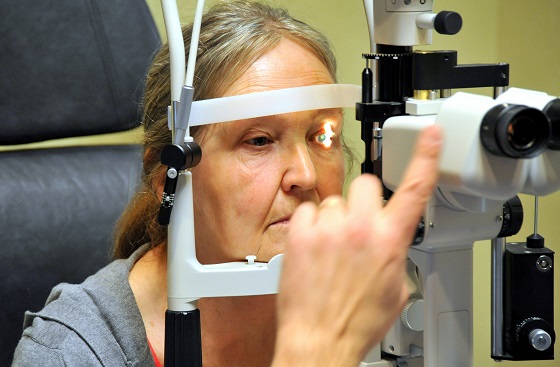
Glaucoma is the leading cause of irreversible blindness worldwide, estimated to affect >60 million people. Access to glaucoma specialists is challenging and likely to become more difficult as the population ages. Glaucoma care guidelines are not as standardized as those for diabetic retinopathy, which allow for significant regional and provider variability in glaucoma diagnosis and… Read more »
The third edition of the Practice Guidelines for Ocular Telehealth-Diabetic Retinopathy includes fundamental requirements to be followed when providing medical and other health care services using telecommunication technologies, and any other electronic communications between patients, practitioners, and other health care providers, as well as “best practice” recommendations. These guidelines were co-authored by HIP Investigator, Dr.… Read more »
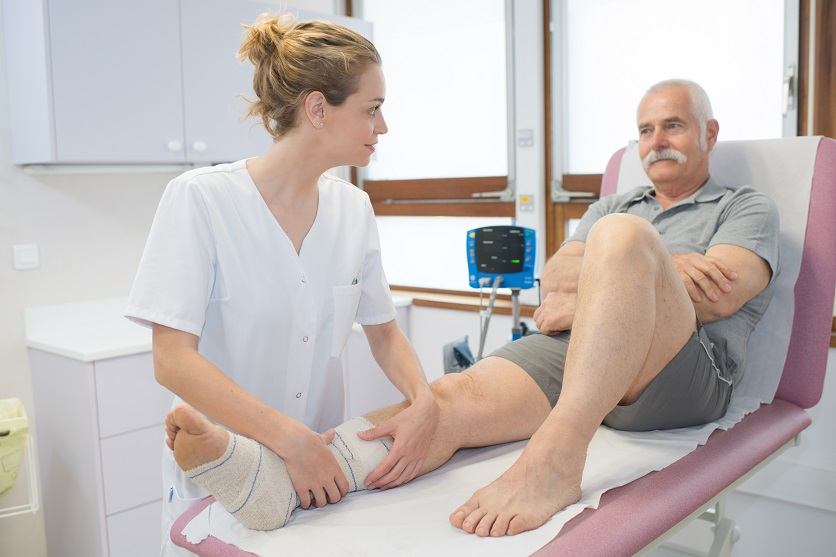
Nearly 2 million Americans develop a diabetic foot ulcer each year; within 5 years of ulceration, 5% will undergo major amputation and 50% to 70% will die. Experts have recommended a multidisciplinary team approach to optimally address certain comorbidities in a coordinated manner and to reduce major amputations. Authors including HIP Investigators Dr. Meghan Brennan… Read more »
For researchers to contribute meaningfully to the creation of learning health systems, practical tools are required to operationalize existing conceptual frameworks. A team of authors including HIP Investigators, Dr. Maureen Smith and Dr. Menggang Yu describe a model currently in use by the University of Wisconsin Health Innovation Program (HIP). The HIP model consolidates and… Read more »
Although smoking is a risk factor for cardiovascular and rheumatic disease severity, only 10% of rheumatology visits document cessation counseling. HIP Investigator, Dr. Christie Bartels et al. identified themes and categories of patient and health system-level facilitators/barriers to smoking cessation. Participant-reported barriers and facilitators to cessation involved psychological, health, and social and economic factors, and… Read more »
Although colorectal cancer (CRC) screening has reduced the incidence of and mortality from CRC, chemoprevention strategies have the potential to further reduce CRC incidence and mortality. Chemoprevention agents might be used for average-risk as well as high-risk groups, and to prevent CRC recurrence after therapy. CRC chemoprevention agents that have been studied include aspirin, nonaspirin… Read more »









Recent Comments