Case management programs for high-need high-cost patients are spreading rapidly among health systems. PCORNet has substantial potential to support learning health systems in rapidly evaluating these programs, but access to complete patient data on health care utilization is limited as PCORNet is based on electronic health records not health insurance claims data. Because matching cases… Read more »
Alzheimer’s disease (AD) is the most common cause of dementia among older adults (≥60 years old), affecting more than 5.3 million people in the United States. AD has a higher prevalence among African Americans. Targeting cardiovascular and metabolic risk factors may be potential mechanisms to modify AD risk and address racial/ethnic disparities in AD dementia.… Read more »
Report Overview The Wisconsin Collaborative for Healthcare Quality (WCHQ), in collaboration with Health Innovation Program, developed the Wisconsin Health Disparities Report to identify where disparities in health outcomes and care exist in Wisconsin and to help inform and accelerate programs that are working to eliminate disparities. The goal of this report is to present recent… Read more »
More than 60% of older U.S. women suffer from urinary incontinence, bowel incontinence, or both, the annual cost of which exceeds $30 billion. In addition to significant negative effects on quality of life and depression, incontinence increases the risk for institutionalization. HIP Investigator, Dr. Heidi Brown et al. evaluated the effects of Mind Over Matter:… Read more »
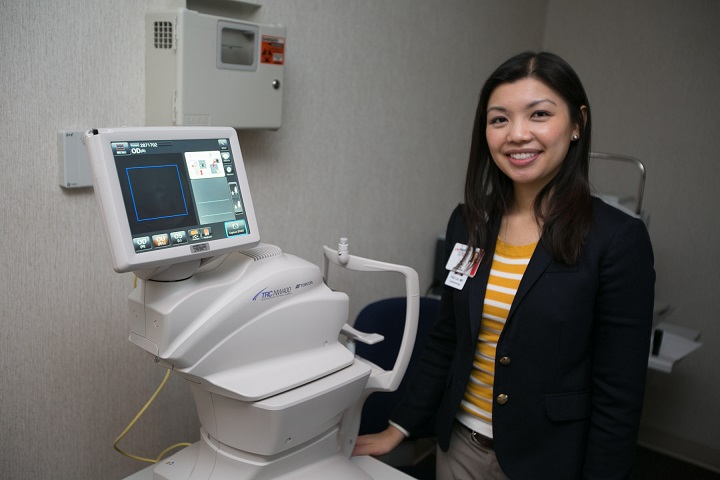
Teleophthalmology is an evidence-based form of diabetic eye screening. This technology has been proven to substantially increase diabetic eye screening rates and decrease blindness. However, teleophthalmology implementation remains limited among U.S. health systems. In this paper, HIP Investigator Dr. Yao Liu et al. discuss opportunities to address key barriers to widespread implementation of teleophthalmology programs… Read more »
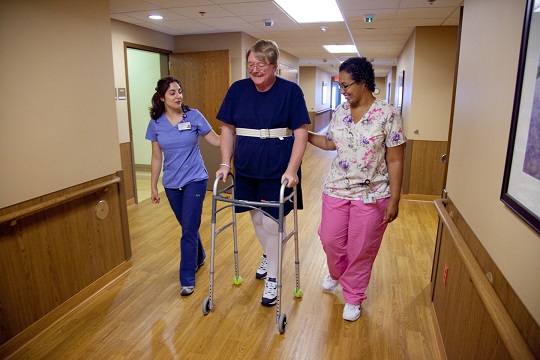
Falls among older adults are both a common reason for presentation to the emergency department, and a major source of morbidity and mortality. It is critical to identify fall patients quickly and reliably during, and immediately after, emergency department encounters in order to deliver appropriate care and referrals. Unfortunately, falls are difficult to identify without… Read more »
The Case Management Benefit Scoring System Toolkit is now available on HIPxChange. Dr. Maureen Smith (HIP Investigator), Dr. Menggang Yu (HIP Investigator), and Dr. Jared Huling (an Assistant Professor of Statistics at The Ohio State University) partnered with the UW academic health system (UW Health) to implement a benefit scoring system that is used to… Read more »
Dr. Barbara King, the Executive Director of the Center for Aging Research and Education recently published the Geriatric Simulations Toolkit on HIPxChange. In this toolkit you will find concrete guidance and materials to use in four simulations related to caring for older adults. Also included are reflections from students and instructors that have experienced the… Read more »
Dr. Barbara Bowers, the Founding Director of the Center for Aging Research and Education, recently published the Implementing Change in Long-Term Care Toolkit on HIPxChange. This toolkit was designed to assist organizations, and the staff who work there, to implement changes that will improve care quality and to sustain them. In this toolkit you will… Read more »
Overview To reduce or prevent incontinence in older women, we have designed and tested a workshop led by trained leaders to increase skills to control incontinence symptoms through lifestyle changes. “Mind Over Matter: Healthy Bowels, Healthy Bladder” has been shown to improve continence, quality of life, and self-efficacy. The program was tested in a randomized… Read more »








Recent Comments