There is an urgent need for culturally tailored diabetes self-management education to improve health outcomes in African Americans, especially given the disproportionate prevalence of diabetes and medication non-adherence. Stakeholder engagement can guide and enrich the development of these interventions by integrating content directly addressing barriers to African Americans’ adherence with existing community-based diabetes self-management education… Read more »
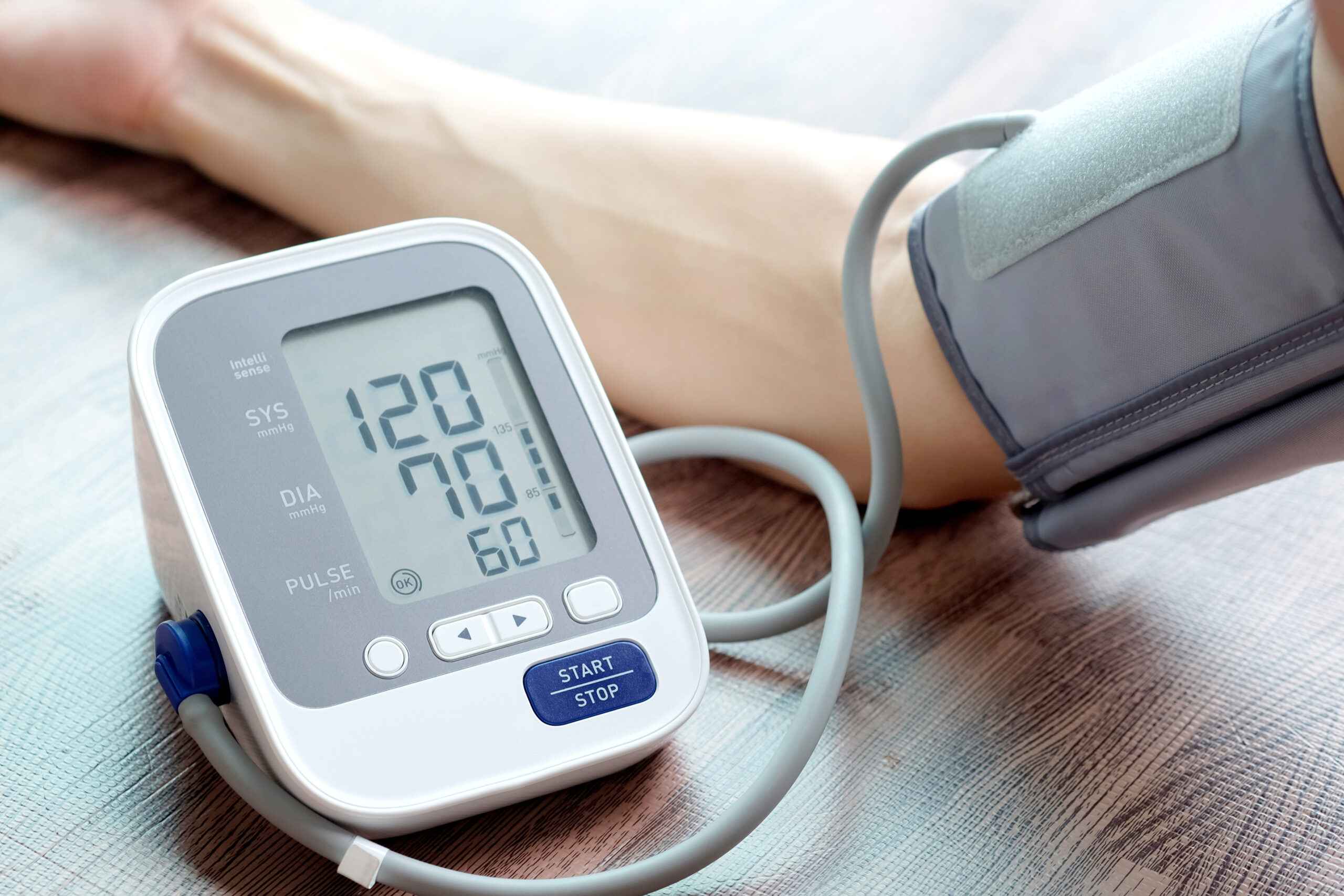
Hypertension is the leading modifiable risk factor for cardiovascular disease (CVD), the leading cause of death in women. Timely referral to primary care from specialty clinics for hypertension occurs infrequently, even among gynecologists. BP Connect, a staff protocol for specialty clinics, doubled the odds of timely primary care follow-up for rheumatology patients with hypertension. In… Read more »
Healthy Metric went live today, releasing five new brief reports focused on health disparities in Wisconsin. These first reports provide an initial look at the impact the COVID-19 pandemic has had on health and health disparities. The first five reports provide an initial look at the impact the COVID-19 pandemic has had on health and… Read more »
Hypertension, or high blood pressure, is a major risk factor for heart disease and stroke, two leading causes of premature death in Americans (CDC – High Blood Pressure). In fact, heart disease is the leading cause of death in Wisconsin (Wisconsin Department of Health Services – Heart Disease). One in about every 10 people in… Read more »
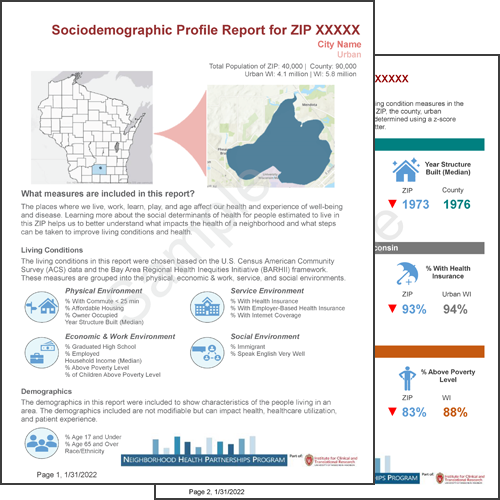
The UW ICTR Neighborhood Health Partnerships Program (NHP) is excited to announce the launch of their latest ZIP code level report, the Sociodemographic Profile Report. To make sociodemographic information easily accessible and comparable across geographies, NHP has launched a new report that provides information on the social determinants of health at the ZIP code level. This report uses… Read more »
Older adult patients are vulnerable to communication and coordination challenges during an ED visit, which can be exacerbated by the time and resource constrained ED environment. Yet, as a constant throughout the patient journey, patients and care partners can act as an information conduit, or knowledge broker, between fragmented care systems to attain high-quality, safe… Read more »
As the population ages, Alzheimer’s disease and related dementias (ADRD) are becoming increasingly common in patients presenting to the emergency department (ED). This study from HIP Investigator Dr. Brian Patterson compares the frequency of ED use among a cohort of individuals with well-defined cognitive performance (cognitively intact, mild cognitive impairment (MCI), and ADRD). Through a… Read more »
This study from HIP Investigator Dr. Heidi Brown aimed to update estimates of urinary incontinence (UI) prevalence and associated risk factors for adult women in the United States, using the National Health and Nutrition Examination Survey (NHANES). The study used descriptive analysis of 2015-2018 NHANES weighted data for women to estimate prevalence and characterize UI… Read more »
Patients identifying as Black and those living in rural and disadvantaged neighborhoods are at increased risk of major (above-ankle) leg amputations owing to diabetic foot ulcers. The objective of this study from HIP Investigators Dr. Christie Bartels, Dr. Meghan Brennan and Dr. Yao Liu was to assess whether intersecting identities of Black race, ethnicity, rural… Read more »
The effectiveness of current assessment tools for cervical fracture are mixed with respect to elderly patients. This study from HIP Investigator Dr. Brian Patterson aimed to examine utility of history and physical exam to assess for cervical fracture for elderly patients suffering a ground-level fall.This was a retrospective observational study using electronic health record data.… Read more »









Recent Comments